
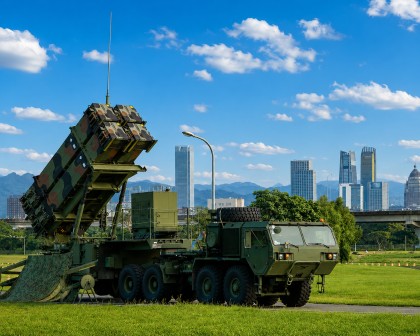
The United States has decided to temporarily halt arms sales to Taiwan, aiming to ensure that military resources remain sufficient for its ongoing operations related to the conflict with Iran. This announcement came from the acting Navy Secretary, Hung Cao, during a congressional hearing. Cao explained that the suspension is meant to conserve munitions for U.S. military efforts, and he assured that international arms sales will resume when the administration deems the timing appropriate.
This suspension impacts a significant weapons package for Taiwan that has reportedly been pending approval for several months. The ultimate decision on the sale will rest with senior administration officials, including Secretary of State Marco Rubio and Defense Secretary Pete Hegseth. Meanwhile, Taiwan’s presidential office stated that it had not received any official communication regarding changes to the proposed arms deal. Nevertheless, the situation has heightened concerns in Taipei, particularly after U.S. President Donald Trump and Chinese President Xi Jinping reportedly discussed Taiwan during recent talks.
China continues to oppose U.S. arms sales to Taiwan, viewing the island as part of its territory. The Chinese government has consistently issued warnings against foreign support for Taiwan and has not dismissed the possibility of using force. This geopolitical tension underscores the delicate balance the U.S. must maintain in its foreign policy decisions involving Taiwan and China.
The uncertainty surrounding the future of U.S. support for Taiwan has been further fueled by recent comments from President Trump. He has suggested that the arms deals could serve as a “negotiating chip” in discussions with China, indicating that he will make a decision on pending sales at a later date. Despite the current pause, U.S. law, through the Taiwan Relations Act, mandates that Washington provide Taiwan with defensive military equipment, ensuring a continued commitment to Taiwan’s defense capabilities.