
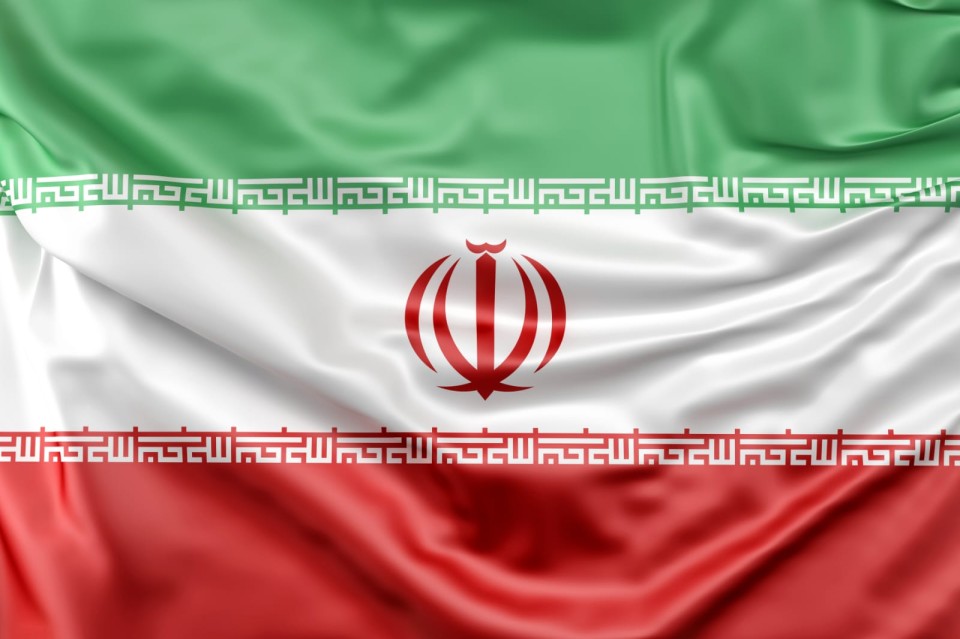
In a significant diplomatic development, Iran has consented to the return of inspectors from the International Atomic Energy Agency (IAEA) to supervise its nuclear sites. This decision forms a crucial part of a broader accord with the United States, aimed at easing regional tensions and advancing long-term diplomatic resolutions. The agreement was reached after an intensive 18-hour negotiation session in Switzerland, which included representatives from Iran, the United States, as well as mediators from Qatar and Pakistan. The discussions centered on the execution of a recent memorandum of understanding, intended to facilitate a comprehensive agreement within a 60-day timeframe.
U.S. Vice President JD Vance highlighted the significance of the UN nuclear inspectors’ reinstatement, viewing it as a pivotal move toward maintaining transparency in Iran’s nuclear endeavors. Nevertheless, Iranian officials have underscored that no definitive concessions have been made and emphasized that any forthcoming agreement will require the endorsement of Iran’s national security leadership. As the arrangement unfolds, Washington is preparing to issue a temporary 60-day sanctions waiver. This waiver would cover Iran’s oil, petrochemical, and related exports, enabling Tehran to reengage in broader international oil sales and process payments through official financial pathways, thus offering a reprieve to its beleaguered economy.
Additionally, the agreement seeks to revive operations through the Strait of Hormuz, a vital conduit for global energy shipments. Initial signs of resumed tanker activity have been observed as commercial vessels begin navigating the waterway. To tackle regional security concerns, a novel coordination mechanism involving the United States, Iran, and Lebanon has been established. This mechanism aims to mitigate escalation and support ceasefire initiatives in Lebanon. Iranian officials assert that ceasing Israeli military actions in Lebanon is crucial for the broader agreement’s success.
While progress has been made, several critical issues remain unresolved. These include determining the extent of future nuclear inspections, the implementation of sanctions relief, and ensuring the long-term stability of regional ceasefire agreements. Technical teams from the involved parties are set to continue deliberations in the coming weeks, striving to finalize the specifics of these outstanding matters.