
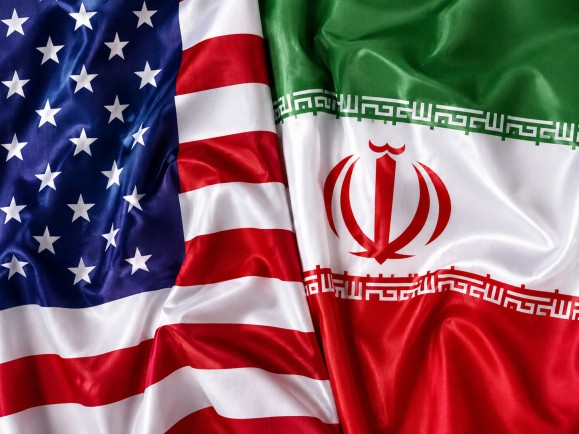
Amid increasing criticism from Republican circles, President Donald Trump has defended the ongoing negotiations with Iran concerning a potential deal designed to resolve the conflict and reopen the Strait of Hormuz. Trump emphasized that no final agreement has been reached, underscoring his commitment to a careful and deliberate process. He distinguished the current proposal from the 2015 nuclear deal established under former President Barack Obama, which he had exited in 2018.
Reports indicate that the proposed agreement may offer Iran sanctions relief and access to billions of dollars in frozen assets. This could also involve reopening the Strait of Hormuz and initiating new discussions on Iran’s nuclear program over the coming 60 days. In return, Iran would be expected to ease regional tensions and cease activities linked to the ongoing conflict. Iranian authorities have signaled that the deal requires approval from their top leadership and national security entities, and they have sought further clarification on certain provisions before moving forward.
Negotiations have also highlighted Iran’s stockpile of enriched uranium and the terms for the release of its frozen funds abroad. It is suggested that the U.S. desires to tie financial relief to advancements in nuclear discussions. Additionally, Israeli Prime Minister Benjamin Netanyahu has reportedly been in dialogue with Trump about the ceasefire’s conditions, stressing Israel’s security concerns. Iran insists that any ceasefire must be comprehensive, extending across all fronts, including Lebanon.
Regional leaders and Gulf nations have advised the U.S. to avoid escalating military actions, cautioning that renewed attacks could destabilize the area and negatively impact the global economy. The potential deal has prompted strong opposition from Republican lawmakers and former officials, who argue that it could bolster Iran both financially and politically. They warn that easing sanctions and allowing Iran to resume oil exports may enhance Tehran’s regional influence without constraining its nuclear ambitions.
Despite the criticism, Trump and senior U.S. officials maintain that diplomacy remains the most viable strategy, aiming to prevent Iran from acquiring nuclear weapons while ensuring stability in the Gulf region. They assert that the primary objective is to deter nuclear proliferation and restore peace in the area through diplomatic channels.