
Donald Trump’s push for a 10% credit card rate cap is built on a foundation of fiery rhetoric, labeling current banking practices as akin to “extortion and loan sharking.” While the specific terms come from the Sanders-Hawley bill that Trump is emulating, his Truth Social post echoed the sentiment by accusing companies of “ripping off” the public. This language criminalizes the financial industry in the eyes of his supporters.
The aggressive framing is designed to justify the radical intervention of a price cap. With credit card debt at a record $1.17 trillion, Trump argues that the banks are profiting from the misery of American families. By capping rates at 10% starting January 20, he presents himself as the enforcer of justice against a corrupt system.
The banking industry strongly rejects this characterization. In a joint statement, major financial associations argued that interest rates are a necessary part of the economic ecosystem, reflecting the cost of risk. They warned that the cap would lead to a credit crunch, hurting the very people Trump claims to defend. The banks view the rhetoric as dangerous demagoguery.
Senator Elizabeth Warren was also critical, calling the announcement a “joke.” She argued that Trump’s tough talk is not matched by tough action. Warren challenged the president to pass a law that would actually stop predatory lending, rather than just tweeting about it.
Despite the criticism, Senator Josh Hawley cheered the move. His support indicates that the anti-bank narrative is gaining traction on the right. As January 20 approaches, the battle over the moral legitimacy of interest rates is set to intensify.
“Extortion and Loan Sharking”: The Rhetoric Behind Trump’s Cap
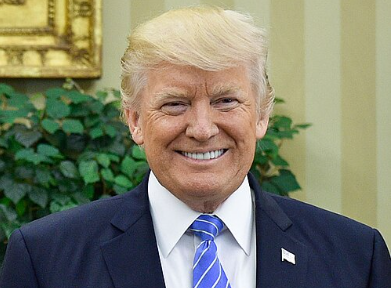
Photo by Presidency of Ukraine, via wikimedia commons
79