
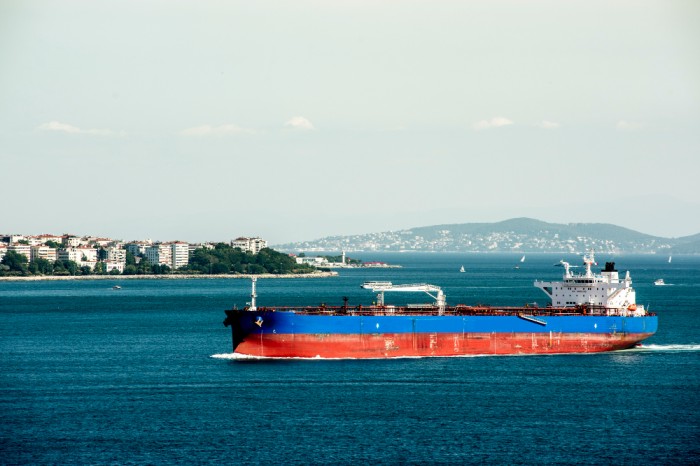
Global oil prices have once again surpassed the $100 per barrel threshold following recent U.S. military actions targeting Iranian sites. This development has dashed hopes for a swift resolution to tensions in the Middle East and has heightened fears regarding potential disruptions in the Strait of Hormuz, a pivotal conduit for the world’s energy supply. Brent crude prices surged back over the $100 mark amid reports of U.S. strikes on missile installations and ships suspected of deploying mines in proximity to this essential maritime passage.
Previously, oil prices had dipped below $100 on the anticipation of a diplomatic breakthrough between Washington and Tehran. However, the persistence of hostilities and the ambiguous status of negotiations have once more propelled market rates upward. The continued conflict coupled with limitations on shipping through the Strait of Hormuz has already inflicted significant interruptions on global oil exports. Analysts caution that the energy market may have reached an irretrievable state, with supply deficits likely to persist irrespective of any political accords that might be achieved.
Industry experts highlight a sharp decline in global oil reserves following weeks of diminished exports from Gulf region producers. The anticipated increase in fuel demand during the summer travel season is set to exacerbate the strain on already constricted supplies. The International Energy Agency has issued a warning that worldwide oil consumption could soon outstrip production, potentially placing energy markets in a precarious “red zone” during the peak months of July and August.
Saudi Aramco, the national oil company of Saudi Arabia, has reportedly expressed concerns that an extended closure or disruption of the Strait of Hormuz might affect oil supplies well into the following year. Financial institutions and market analysts have also voiced apprehensions regarding insufficient emergency oil reserves and low gas storage capacities in Europe, suggesting that energy prices could remain extremely unpredictable in the near future.
Globally, rising crude prices are already being felt by consumers who face increased fuel and energy costs. In the United Kingdom, petrol prices have soared to their highest since the onset of the current conflict, and household energy expenses are anticipated to climb significantly due to escalating gas prices. As these pressures mount, the effects of the volatile oil market are becoming increasingly evident worldwide.