
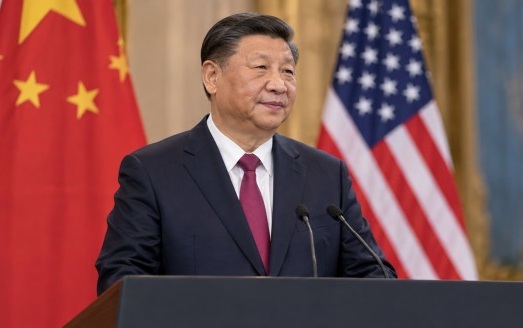
Chinese President Xi Jinping’s visit to the United States has opened new avenues for enhancing dialogue and fostering stability in China-US relations. The visit culminated in several key agreements aimed at bolstering economic cooperation and addressing broader international challenges.
Central to the discussions was the commitment by both nations to continue engaging through established economic and trade consultation mechanisms. This includes reciprocal tariff reductions and the extension of previous trade arrangements. The two countries also agreed to set up boards dedicated to trade, investment, and agriculture, reflecting a shared interest in stabilizing business environments and supply chains.
In addition to economic matters, the visit underscored the importance of maintaining regular communication across various sectors, including diplomatic, military, trade, financial, and law enforcement. Both governments emphasized the need for a constructive relationship based on mutual respect, fairness, and reciprocity.
Significantly, the two nations agreed to initiate a China-US dialogue on artificial intelligence. This dialogue will address the opportunities and risks associated with AI technology, complemented by the establishment of a communication channel for AI-related incidents. Such initiatives highlight the growing importance of AI in international cooperation.
People-to-people exchanges were also a highlight of Xi’s visit. China announced plans to invite 100,000 young Americans over the next five years for educational and cultural exchanges, aiming to enhance mutual understanding and collaboration.
The discussions further extended to cooperation in areas such as counternarcotics, cultural exchanges, and wildlife conservation. Chinese officials expressed optimism that sustained engagement between the two countries could lead to greater stability in bilateral relations and contribute to addressing global issues.