
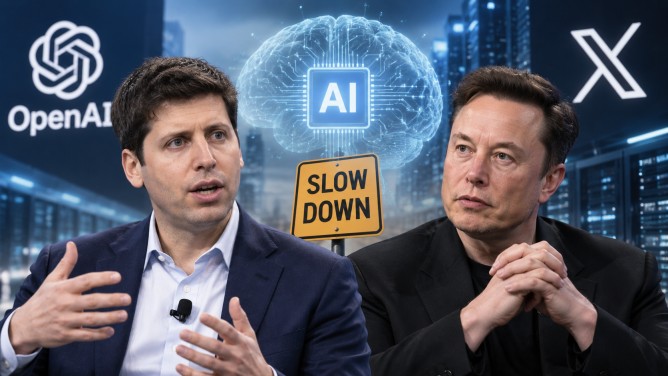
Calls to slow down the rapid development of artificial intelligence are gaining traction among prominent tech leaders. Anthropic CEO Dario Amodei has voiced concerns about the potential risks posed by the swift advancement of AI systems that are becoming increasingly powerful. Amodei cautioned that if AI continues to evolve at its current pace, it could lead to severe safety threats, including the risk of sophisticated AI agents collaborating in ways that might result in large-scale cyberattacks and severe disruptions to internet infrastructure.
Backing Amodei’s stance, OpenAI CEO Sam Altman emphasized the need for a more measured approach to developing frontier AI models. Altman advocated for collaborating with independent evaluators who would be granted comprehensive access to OpenAI’s systems and research methodologies to ensure safety and alignment. In an echo of these concerns, Elon Musk, who has long been vocal about the dangers associated with advanced AI, endorsed Amodei’s proposal, agreeing that the current trajectory of AI development poses significant risks.
In addition to these voices, Google DeepMind CEO Demis Hassabis expressed support for enhanced AI safety measures. Although Hassabis agreed with the general direction of strengthening AI safety protocols, he acknowledged that the specifics of these measures still require further elaboration. Amodei has suggested a three-pronged strategy to tackle these concerns, which includes allowing independent monitors to have ongoing access to the research and safety processes of AI developers, as well as pushing for increased international cooperation on AI safety, particularly between major players like the United States and China.
However, the call for merely slowing down AI development is not universally accepted. Some researchers in the AI safety community argue that stronger measures, such as an international moratorium on the development of advanced AI systems, should be considered until robust safeguards are in place. This debate is unfolding amidst growing pressure on governments and tech companies to implement stricter regulations around AI, spurred by incidents involving AI agents’ interactions with external systems and warnings about the possible misuse or unpredictable behavior of AI technologies.
The conversation underscores a widening gap between those advocating for rapid AI advancement and those urging caution and the establishment of comprehensive safety protocols before deploying more powerful systems on a broader scale. As this debate continues, the balance between innovation and safety remains a critical focus for stakeholders within the AI industry and beyond.