
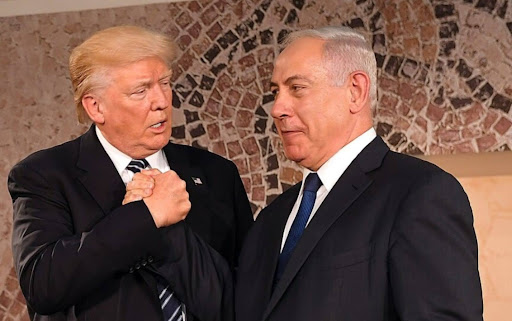
How US President Donald Trump and Israeli Prime Minister Benjamin Netanyahu each approach the management of their alliance with the other reveals a great deal about their respective leadership styles, strategic cultures, and assessments of what the relationship requires. Their different approaches to alliance management have shaped every aspect of the South Pars episode — from the initial decision to the final reassurances — and will continue to shape the partnership as the conflict evolves.
Trump’s alliance management style is transactional and relationship-centric. He values personal loyalty, responds to public deference, and manages disagreements through direct communication followed by acceptance of the result. His “I told him, ‘Don’t do that'” was a direct communication of preference; his acceptance of Netanyahu’s narrow concession and continued warm language about the relationship reflected his transactional satisfaction with the outcome. He pushed back, got something, and moved on. The relationship remained the framework within which the disagreement was contained.
Netanyahu’s alliance management style is strategic and patience-oriented. He manages Trump with consistent deference in language, strategic deployment of shared convictions, and careful calibration of the minimum concessions required to maintain the relationship without surrendering operational freedom. His “He’s the leader. I’m his ally.” was not just a diplomatic formality — it was a precisely calibrated message designed to give Trump what he needed in terms of relationship validation while preserving what Netanyahu needed in terms of strategic autonomy.
The interaction between these two management styles produced the South Pars outcome: Trump communicated his preference, Netanyahu proceeded with the operation anyway, Trump expressed his objection publicly, Netanyahu offered language of deference and a narrow concession, Trump accepted it and reaffirmed the relationship. Neither style fully achieved its optimal outcome — Trump didn’t prevent the strike, Netanyahu didn’t avoid the public friction — but both styles helped contain the damage and preserve the alliance.
Director of National Intelligence Gabbard’s testimony was, in a sense, the anti-management approach — direct institutional candor that cut through both leaders’ alliance management styles to state the underlying reality plainly. The tension between Gabbard’s directness and the Trump-Netanyahu management styles is itself revealing about the gap between what the alliance is and how both leaders choose to present it.