
The gut microbiome — a diverse community of trillions of microorganisms — influences everything from digestion and immunity to mental health and skin condition. Keeping it balanced is one of the most important things you can do for your overall health, and diet is the primary tool for doing so. Seeds, in particular, provide exactly the kind of fibre that beneficial gut bacteria thrive on.
A gastroenterologist recently identified three seeds — chia, flax, and basil — as particularly effective for balancing and supporting the gut microbiome. Here’s how each one contributes and how to use them.
Chia seeds provide soluble fibre in the form of a gel that acts as a prebiotic — food for beneficial gut bacteria. A diverse, well-fed microbiome is associated with better digestion, stronger immunity, and improved mental health. One to two tablespoons soaked overnight in almond milk or yoghurt, topped with berries, delivers this prebiotic fibre daily.
Flaxseeds support the microbiome indirectly through their anti-inflammatory omega-3 fatty acids. Inflammation disrupts the balance of the microbiome, and reducing it creates a more hospitable environment for beneficial bacteria to thrive. Ground flaxseeds in oatmeal or smoothies, used several times a week, provide a steady supply of these beneficial fats.
Basil seeds, or sabja seeds, contribute additional soluble fibre that feeds the microbiome and promotes smooth digestion. Their use in Ayurvedic medicine for digestive balance aligns with modern understanding of how soluble fibre supports microbial diversity. Combined with chia seeds in a morning bowl or drink, they help create and maintain the microbial diversity associated with optimal health.
Three Seeds That Can Help Balance the Gut Microbiome Naturally
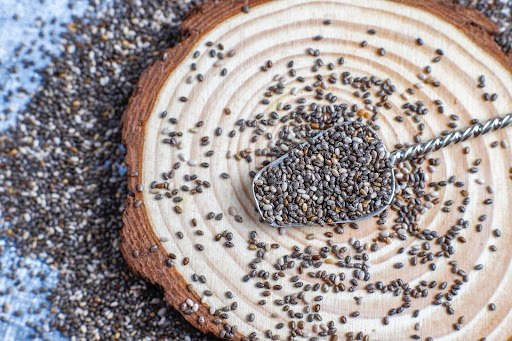
Picture Credit: www.freepik.com
72
previous post