
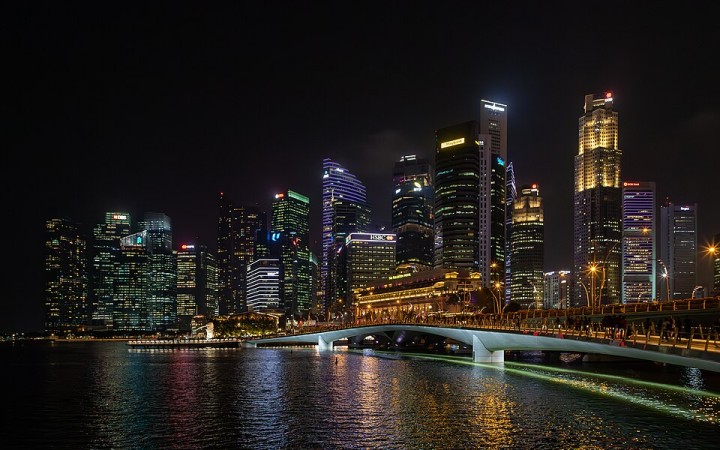
The United States may soon impose a 12.5% tariff on goods imported from Singapore, following a trade investigation that implicated the Southeast Asian nation in failing to adopt and enforce a ban on products made with forced labor. This potential tariff is part of a broader initiative by the U.S. to eliminate unfair competition for American businesses and workers, according to officials. While the tariff has not yet been finalized, it could significantly impact a variety of Singaporean exports to the U.S.
The proposed tariff is still subject to a public consultation process, which includes hearings set to commence in July. The inquiry places Singapore among several economies criticized for not effectively implementing restrictions on forced labor goods. This has raised concerns about the integrity of global supply chains and the competitive landscape for U.S. enterprises.
Singaporean authorities have challenged the findings of the U.S. investigation, asserting that there is no concrete evidence linking the nation to supply chains involving forced labor goods destined for the U.S. market. They have expressed confidence in their current trade practices, emphasizing that they are not aware of any such products being exported from Singapore to the United States.
The U.S. trade investigation aligns with its broader strategy to address forced labor issues worldwide, which it views as detrimental to fair trade practices. The outcome of the proposed tariff will hinge on the results of the upcoming public consultations and hearings, during which various stakeholders will have the opportunity to voice their opinions on the matter.
As the situation unfolds, both countries await the decisive conclusion of the review process. The final decision on the tariff will be closely watched, as it could set a precedent for future trade relations and enforcement of labor conditions globally.