
The word stagflation — largely absent from mainstream economic discourse for decades — is back in circulation Thursday as oil prices near $100 a barrel combine with slowing growth signals to raise fears of a repeat of the 1970s economic malaise. Deutsche Bank market strategist Jim Reid explicitly warned that investors are beginning to price in a stagflationary shock caused by the Middle East conflict. The warning came as Iranian strikes continued to disrupt Gulf energy supply on multiple fronts simultaneously.
Iranian forces struck merchant ships, fuel storage, oil tankers, and export terminals across Bahrain, Iraq, Oman, and the Strait of Hormuz. Three crew members aboard the Thai vessel Mayuree Naree were reported trapped. Iraq shut all crude exports. Oman cleared its Mina Al Fahal terminal. Bahrain placed residents under shelter-in-place orders.
Brent crude gained 9% Thursday to touch $100.29 before settling at $98, still up 6%. West Texas Intermediate climbed 8.6% to $94.75. Oil has risen from $60 at the year’s start to a peak of $119 this week. The Strait of Hormuz has been closed since February 28. Iran warned of $200 oil.
The IEA’s 400-million-barrel emergency release from 32 member nations and the US’s 172-million-barrel Strategic Petroleum Reserve contribution represented the largest coordinated supply intervention in history. Despite the scale of the response, oil remained elevated. President Trump pledged to press ahead with military operations.
Goldman Sachs raised its Q4 2026 Brent forecast to $71 per barrel from $66. Japan’s Nikkei fell 1.6%, South Korea’s Kospi lost 1.2%, and European gas prices rose 7.7%.
Oil at $100 Brings Stagflation Word Back Into Global Economic Discourse
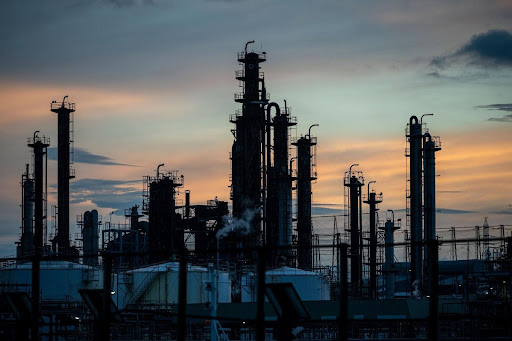
Picture Credit: www.freepik.com
22